A new survey publicised by The Star highlighted how Sheffield residents are among the least likely in the UK to search for scam advice.
Conducted by ZeroBounce, the study highlighted that Sheffield residents researched their concerns approximately 33% less than the national average. This placed them 70th of 78 UK areas analysed, with Oxford topping the rankings.
What does this mean for local businesses and residents? Does it suggest that people in Sheffield are less concerned about scams, or more confident in their ability to recognise them? These findings highlight an important question about whether awareness and caution should be higher amongst both organisations and individuals in Sheffield.
Read on to learn the key scams Sheffield residents are searching for, and how to avoid them.
Are Sheffield businesses concerned enough?
Although lower search volume does not mean fewer scams, these conclusions suggest that Sheffield residents are less likely to seek advice online, compared to their counterparts in places like Leeds or Doncaster.
For businesses in Sheffield seeking greater security and protection, it is important to understand how scammers are calculating their attacks. Here are the key scams searched up:
Scam Type
Banking scams
Social media scams
Phone bill scams
Delivery scams
TV bill scams
Interestingly, social media scams lead the national rankings. But in Sheffield, banking scams far exceed those of social media. Brian Minick, COO at ZeroBounce, expressed that the best defence against scams is knowing they are out there. If you are curious enough to verify whether a communication is real, you’re one step ahead. “Simply being aware makes a huge difference”.
What do I look out for?
It’s one thing to understand which scams are gaining popularity, but another thing to understand the warning signs in said scams. Learn about the scams Sheffield residents are searching up most.
Banking scams
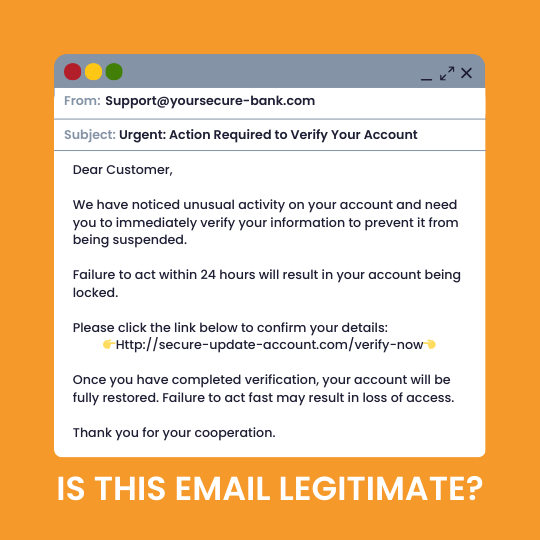
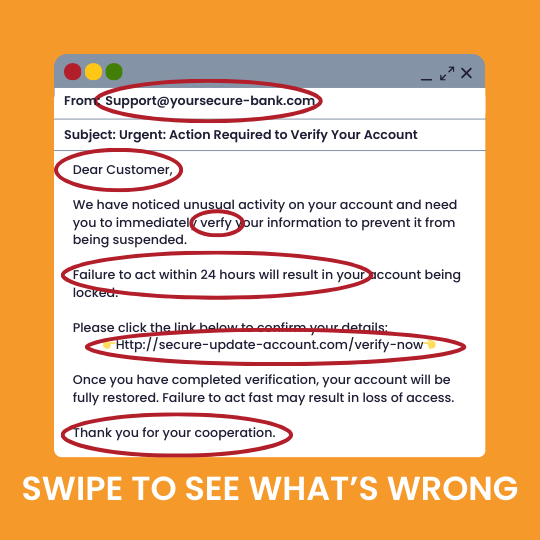
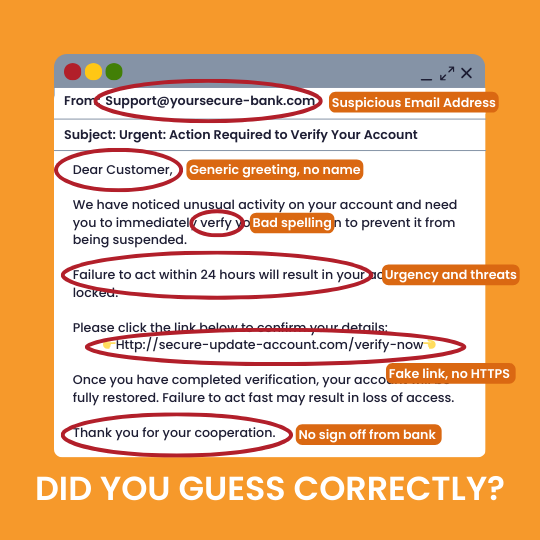
There are various banking scams, all falling under the umbrella of social engineering. These vary from remote access to phishing. Criminals may use social engineering in person, over the phone or digitally. They create panic and urgency, getting you to act fast before thinking.
With banking, criminals pose as your bank provider, asking you to transfer money over as your account is “compromised”. Genuine banks will never call and ask you to transfer money over.
Banking scams also come in the form of fake one-time passcodes (OTPs). Scammers trick you into sharing a code sent via SMS, which they use to authorise entry into your account.
Malicious QR codes, also known as quishing scams, are also on the rise. These are often sent via email, framed as sent from your bank provider, leading to a counterfeit login page.
Scammers have also been known to pretend to be a bank or government agency offering a refund on fees or taxes, tricking you into providing bank details.
Social media scams
Social media scams come in various forms. From impersonations to giveaways. Take a read of what to look out for.
Impersonations are currently high in popularity on social media. Scammers create fake accounts impersonating a user’s friend (with adjacent profile photos and posts). They may attempt to build trust, send malicious links, or claim emergencies and ask for money.
Have you won a giveaway you didn’t sign up for? Chances are it’s inauthentic. Scammers pose as internet personalities, often those who are hosting genuine giveaways. They ask for personal information or a “fee” to access prizes.
With the rising popularity of crypto and investing among a greater demographic of people, crypto/ investment scams have grown. These often feature celebrities promising high returns on investment.
Phone bill scam
Phone bill scams often impersonate providers like O2 or EE to steal personal or financial data. These are framed as failed payments or offers of discounts. They may ask for OTPs or personal data.
Delivery scam
Booming in popularity over the last few years, false delivery communications continue to deceive recipients.
These most often come in the form of emails or text messages, with QR codes sending them to fraudulent pages requiring personal information or payment information to resend or collect parcels.
TV bill scam
TV bill scams often come in the form of emails impersonating TV Licensing. Their messages range from fake expiration emails to failed direct debit.
They have also been known to come in the form of fake letters, text messages, and suspicious phone calls.
How to avoid being scammed
The ways in which scammers are taking advantage have become increasingly creative and conniving. Here are the best practices to avoid being scammed:
-
- Never click on links or attachments in unexpected communications.
-
- Always verify unexpected communications by calling organisations directly. Search for their correct number rather than the one provided in suspicious communications.
-
- Never share OTPs.
-
- Enable multi-factor authentication on all banking (and in general, for best practice).
Stay protected with Daffodil IT
Are your employees or colleagues staying safe online? Cybersecurity is no longer just an additional perk- but a necessary addition to your business’s infrastructure. Want to know how you can keep your business secure, and employees informed of scam risks? Take a look at our comprehensive cybersecurity solutions today.